
Three reasons vertical bifacial solar is going mainstream
Vertical bifacial solar installations are becoming mainstream and will offer a great value proposition for utility scale installations, agrivoltaics and rooftop installations alike.
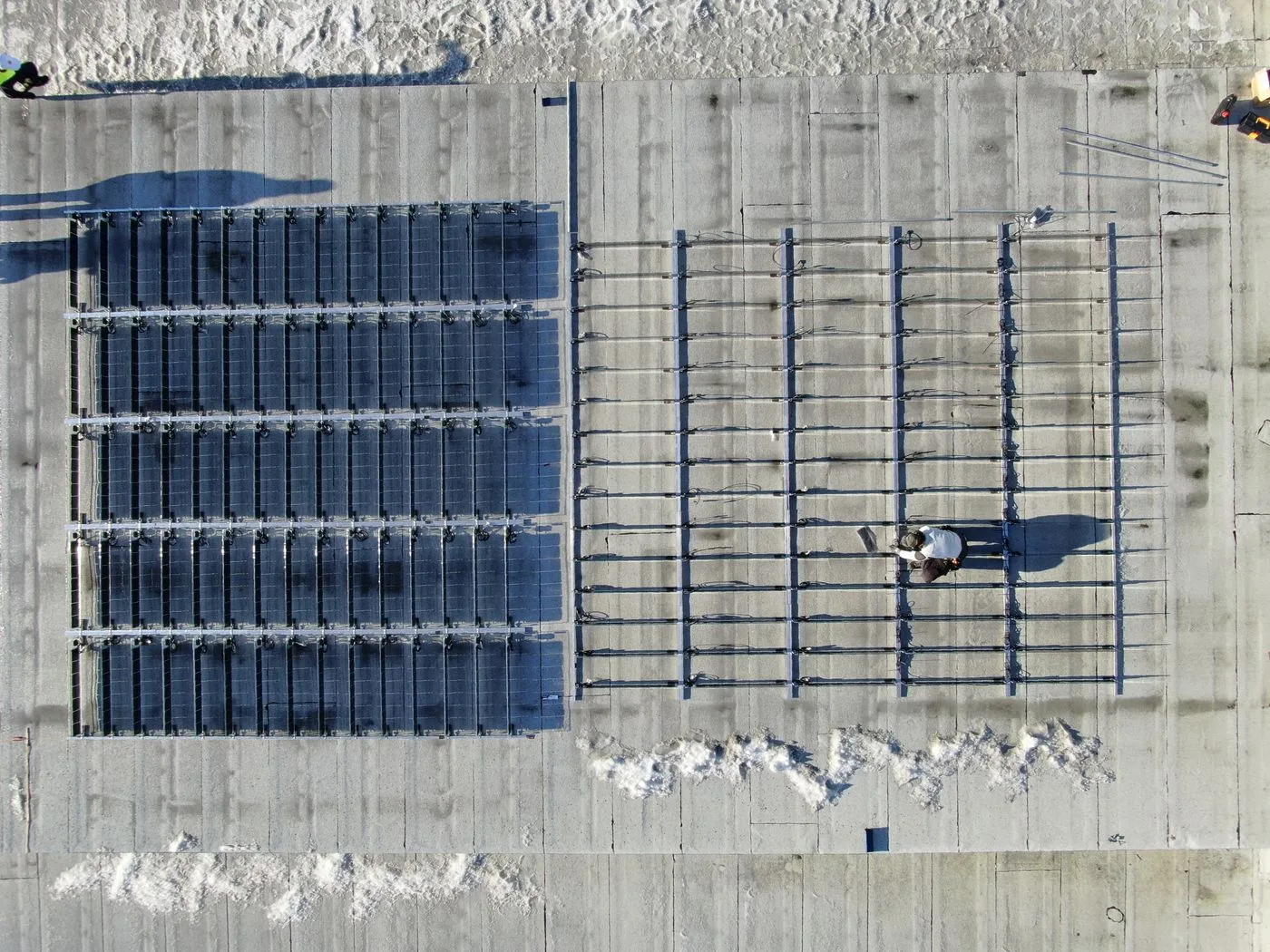
Capture rates and financial payback
Vertical panels produce most in the morning and afternoon, when electricity demand and prices are highest. That raises the capture rate — the value of each kWh produced — and improves financial payback compared to south-facing systems that peak at midday.
Learn more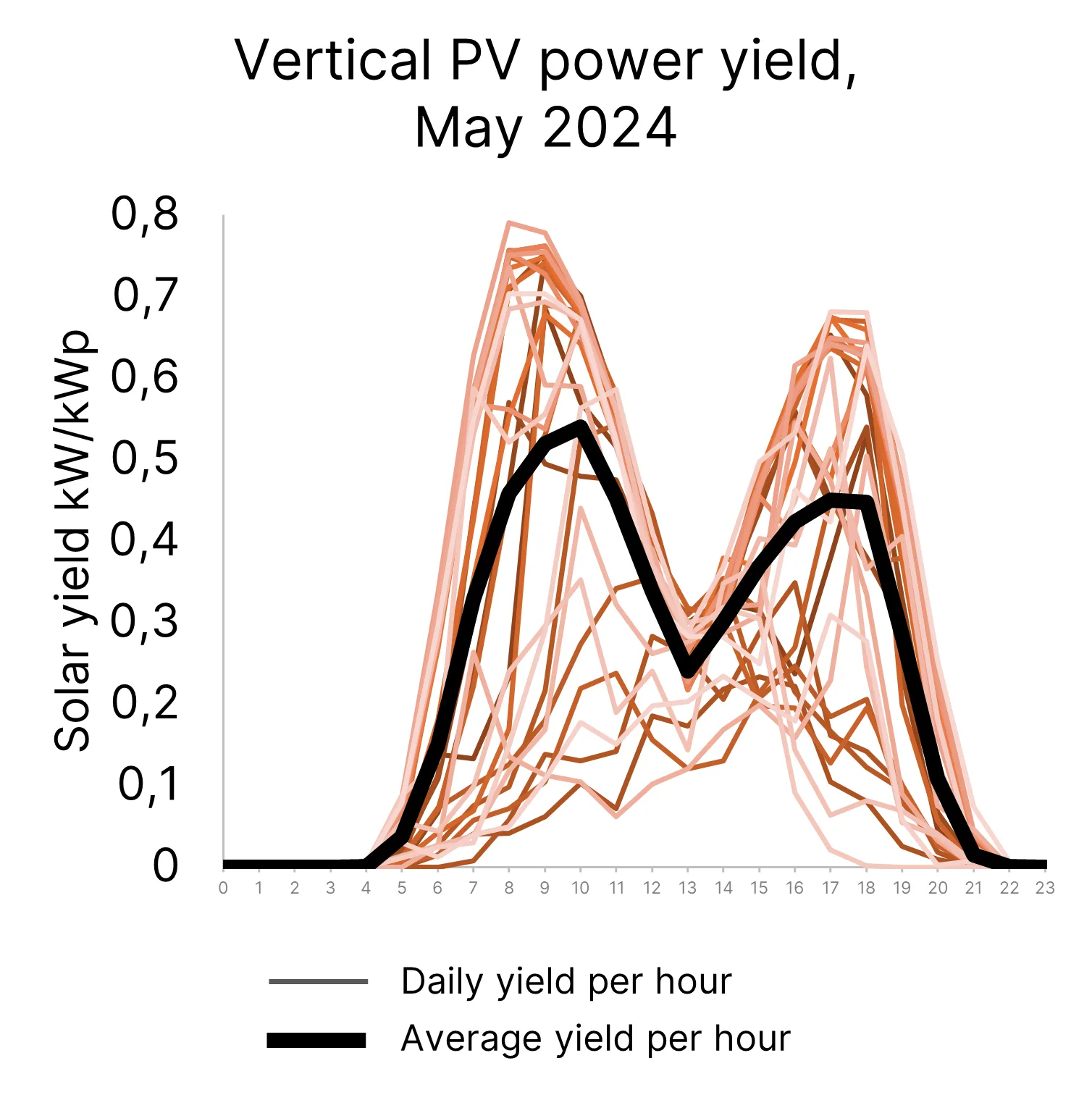
Vertical bifacial solar panels and agrivoltaics
Because vertical rows leave the land between them open, farming continues around the array. Pasture, grains and berries grow between the panels, and livestock can graze undisturbed.
Learn more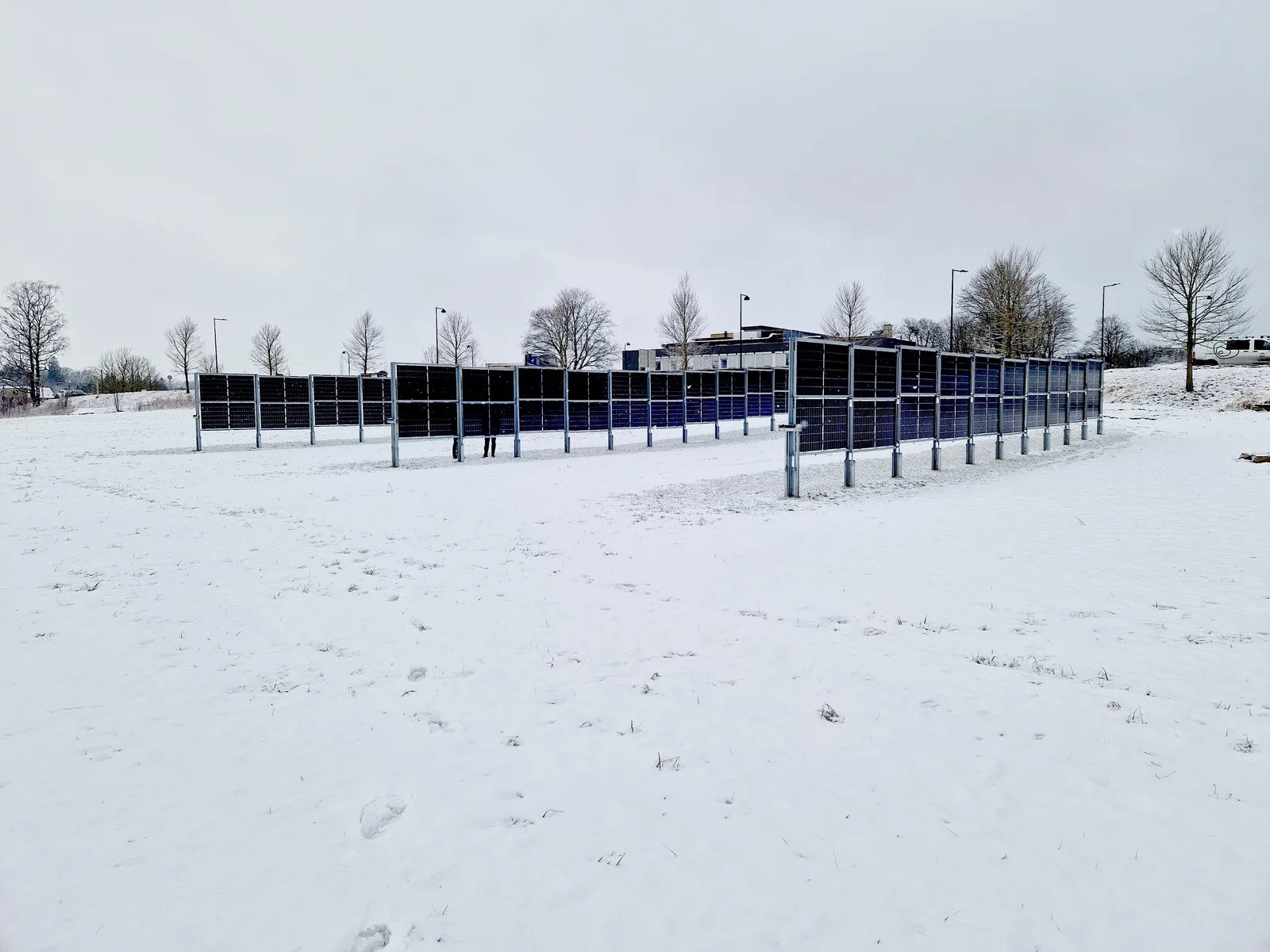
Vertical bifacial solar panels for green roofs
Vertical mounting keeps the roof surface open, so sedum and other vegetation thrive alongside the panels. The green roof raises albedo and cools the modules, which lifts production.
Learn more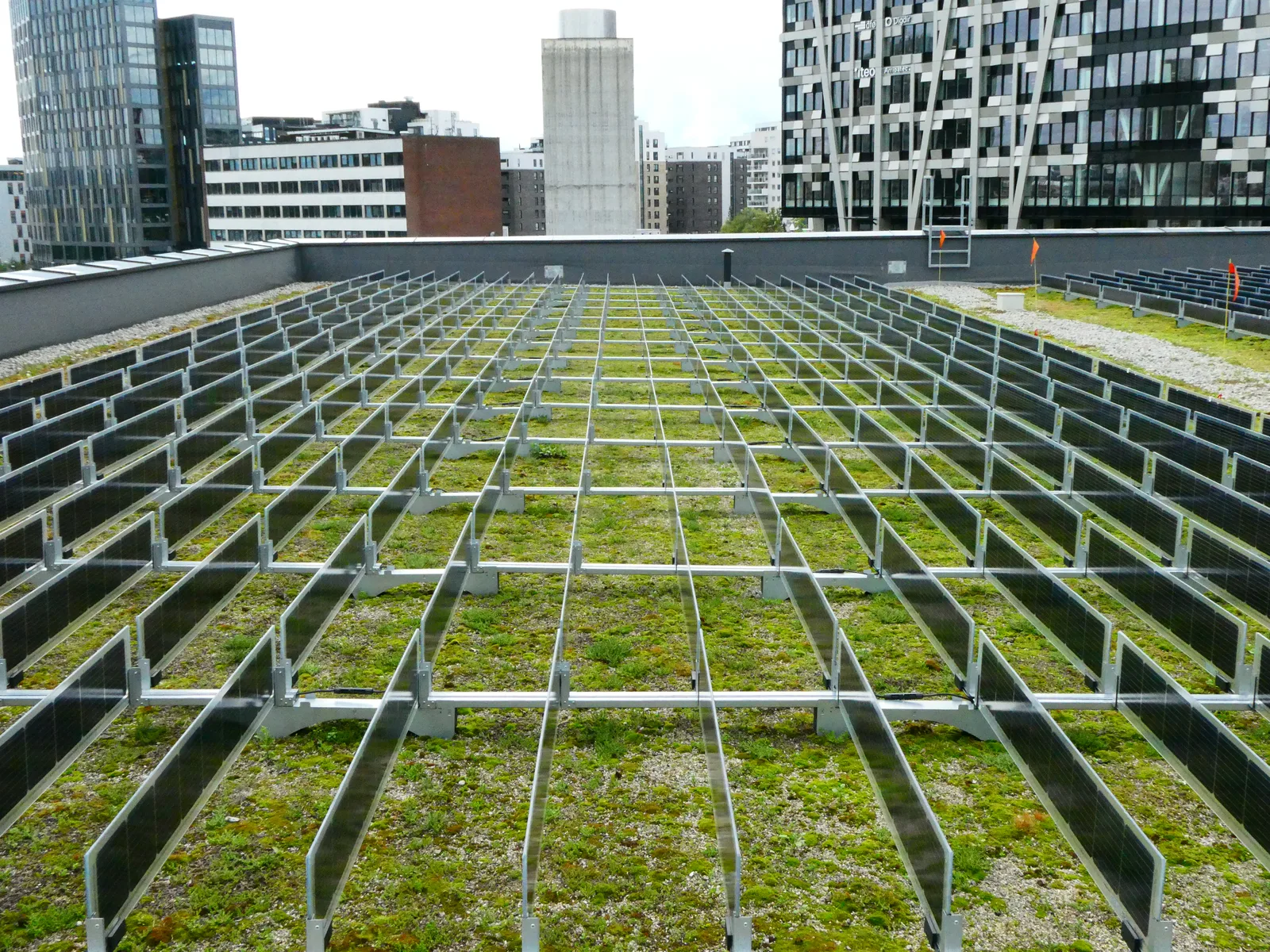
Get in touch
Contact us if you have an interest in a collaboration on vertical bifacial solar installations.